


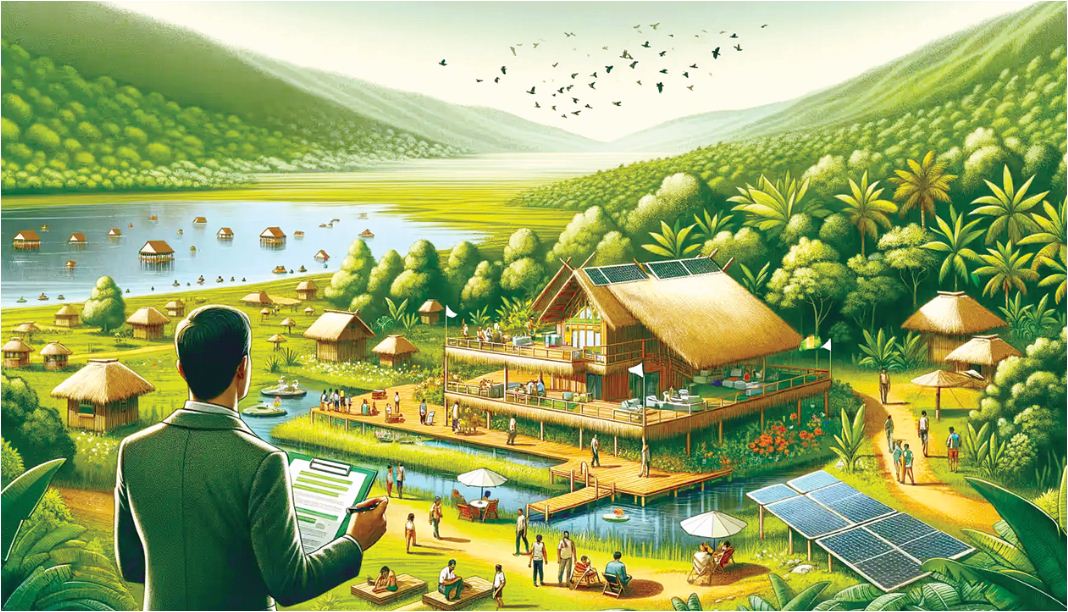
Charu Bhatia | Business Remedies | As the global economy shifts towards sustainability and conscious consumption, eco-tourism and forest-based business models are emerging as one of India’s most promising economic niches. These models combine environmental conservation with commercial viability, generating revenue while creating employment opportunities, supporting local communities, and protecting biodiversity. For entrepreneurs and investors, this sector offers a rare convergence of profitability, social impact, and sustainability.
Eco-tourism: Redefining Travel Experiences
Eco-tourism in India focuses on offering travellers authentic, nature-based experiences that leave minimal environmental footprints. From guided forest treks and wildlife safaris to treehouse stays, river-based activities, and rural homestays, eco-tourism caters to both domestic and international visitors seeking meaningful, immersive experiences. Unlike traditional tourism, it prioritises sustainable infrastructure, energy efficiency, waste reduction, and community involvement. By encouraging responsible travel practices, eco-tourism not only preserves the environment but also strengthens the cultural and social fabric of host communities.
Forest-Based Business Models: Sustainable Livelihoods
Beyond tourism, forest-based business models are creating income streams from the sustainable harvesting of non-timber forest products (NTFPs) such as honey, medicinal plants, bamboo, essential oils, and wild fruits. These enterprises provide local communities with alternative livelihoods, reducing dependence on conventional agriculture and minimizing environmental degradation. With the rise of digital platforms, entrepreneurs are increasingly able to scale forest-based businesses, connecting producers directly to urban and international markets through e-commerce, subscription models, and eco-branded products.
Policy Support and Investment Opportunities
Government initiatives promoting rural entrepreneurship, wildlife conservation, and community-based tourism have strengthened this sector’s foundation. Financial incentives, skill development programs, and eco-certifications encourage sustainable business practices, making the sector more attractive to investors. Additionally, corporates are increasingly investing in eco-friendly resorts, sustainable product lines, and responsible travel experiences, reflecting a global trend towards ethical business.
Economic Potential and Sustainability Imperatives
Eco-tourism and forest-based businesses are contributing significantly to India’s economy. Eco-tourism alone generates billions in revenue while providing employment in remote and rural areas. Forest-based enterprises diversify rural income, promote conservation, and encourage responsible resource management. However, long-term success depends on ethical practices, community participation, and environmental stewardship.
With climate awareness on the rise and consumers increasingly favouring sustainable options, eco-tourism and forest-based business models are no longer niche ventures, they represent a strategic growth opportunity for India. Entrepreneurs, investors, and policymakers who align profitability with sustainability can not only capitalise on this expanding sector but also contribute meaningfully to environmental preservation and inclusive development.