
838

- Charu Bhatia
Jaipur
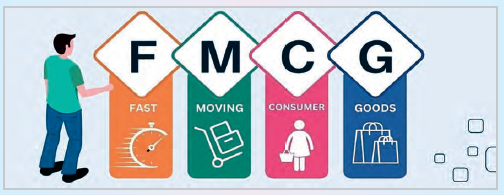
Business Remedies. The Fast-Moving Consumer Goods (FMCG) sector, known for its high-volume, low-margin products like food, beverages, personal care, and household items, continues to be one of the most dynamic and resilient industries globally. As consumer behavior evolves and technology reshapes retail, the FMCG sector is undergoing significant transformation. In 2025, several key growth trends are defining the future of this industry.
1. Digital-First Consumer Engagement
One of the most impactful shifts in FMCG is the digitalization of consumer touchpoints. From online grocery shopping to AI-powered personalized recommendations, digital channels are no longer optional, they’re essential. - E-commerce growth: FMCG brands are witnessing double-digit growth in online sales, driven by platforms like Amazon, Flipkart, BigBasket, and direct-to-consumer (D2C) websites.
- Social commerce and influencer marketing: Platforms like Instagram and YouTube are increasingly becoming FMCG discovery and purchase channels, especially among Gen Z and millennials.
- Omnichannel strategies: Lea-ding companies are investing in seamless integration between physical and digital retail to meet customers wherever they are.
2. Rise of Health-Conscious and Sustainable Products
The post-pandemic consumer is more health-aware and environmentally conscious. This has led to a surge in demand for products that are clean-label, organic, eco-friendly, and ethically sourced. - Plant-based and functional foods are gaining ground, with ingredients like probiotics, protein blends, and superfoods becoming mainstream.
- Sustainable packaging is no longer a bonus but a consumer expectation. Brands are adopting biodegradable, recyclable, and reusable materials to meet sustainability targets.
- Certifications like Fair Trade, Non-GMO, and Organic are influencing purchase decisions.
3. Rural Market Expansion
FMCG companies are making strategic moves to capture the untapped potential of rural and semi-urban markets, especially in countries like India, Indonesia, and Africa. - Improved infrastructure and digital penetration are helping brands reach rural consumers more efficiently.
- Affordable SKUs (small pack sizes), regional customization, and local language marketing are being used to cater to this diverse demographic.
- Government programs focused on rural development are also boosting demand.
4. Supply Chain Innovation
With increasing volatility in global supply chains, FMCG companies are investing in resilient, tech-enabled logistics and inventory management systems. - Predictive analytics and real-time data are being used to anticipate demand fluctuations and optimize distribution.
- Nearshoring and local sourcing are gaining importance to reduce reliance on distant suppliers and improve delivery times.
- Investments in cold chain infrastructure, especially for perishable goods, are ensuring product quality from factory to shelf.
5. Tech Integration and Smart Packaging
Technology is playing a major role in reshaping how FMCG products are developed, packaged, and sold. - QR codes, AR/VR experiences, and IoT-enabled smart packaging are enhancing the consumer experience and providing transparency.
- Blockchain is being explored for supply chain traceability and anti-counterfeiting.
- AI and machine learning are being used in everything from product development to inventory forecasting.
Whether it’s a small skincare startup or a multinational food giant, the future of FMCG lies in balancing speed with strategy, scale with personalization, and profit with purpose.