

Charu Bhatia
Jaipur
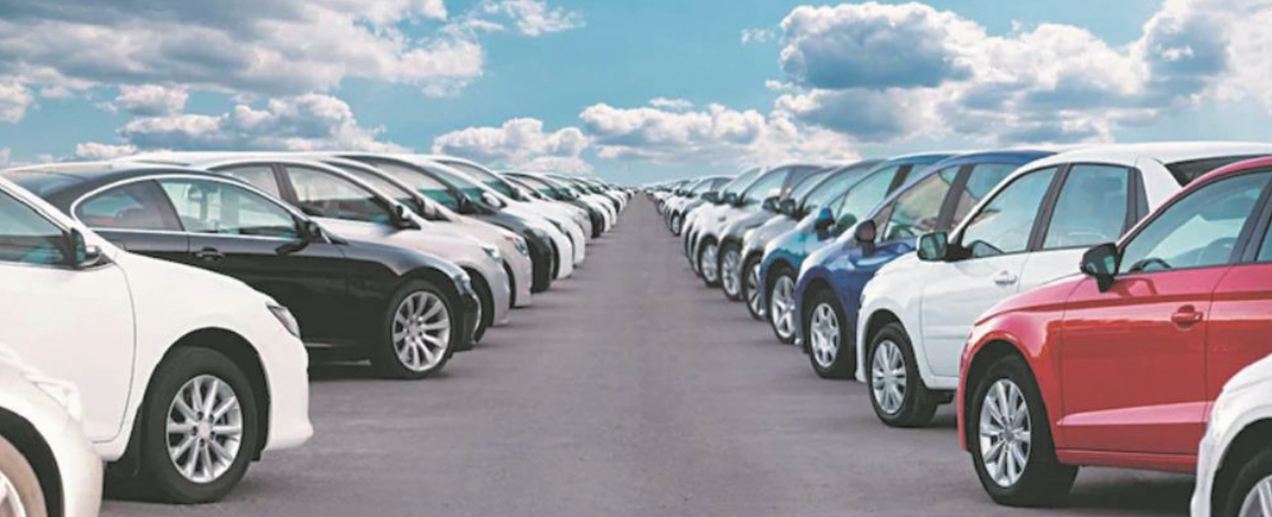
Business Remedies. India’s automobile sector, particularly the passenger car segment, has been on an impressive upward trajectory in recent years. Driven by rising incomes, changing consumer preferences, and policy-level support, the industry is undergoing a dynamic transformation. As the world’s third-largest automobile market (surpassing Japan in 2023), India is not just catching up, it’s becoming a central player in the global automotive landscape.
Post-Pandemic Recovery and Resilience
Following the disruptions caused by the COVID-19 pandemic, the Indian car market rebounded with remarkable strength. In FY 2023-24, the industry witnessed record-breaking sales, with over 41 lakh (4.1 million) passenger vehicles sold, a historic high.
This recovery was fueled by:
- Pent-up demand after lockdowns.
- Low-interest rates and attractive finance schemes.
- Improved rural demand and urb-an economic stability.
- Growing preference for personal mobility over shared or public transport.
Key Growth Drivers in the Passenger Car Segment
- Rising Middle-Class Aspirations
India’s burgeoning middle class continues to be the backbone of passenger car demand. Entry-level hatchbacks once ruled the roads, but there’s a visible shift towards premium hatchbacks, compact SUVs, and sedans, as buyers look for more features, safety, and comfort.
- SUV Boom
SUVs have become the fastest-growing car segment in India, accounting for nearly 50% of all passenger vehicle sales in 2023. Models like Hyundai Creta, Tata Nexon, Maruti Grand Vitara, and Mahindra Scorpio-N have seen robust demand. Consumers are drawn to their road presence, high ground clearance, and enhanced driving comfort.
- Electric Vehicle (EV) Momentum
Though still in its early stages, the EV segment is showing strong potential. Companies like Tata Motors, MG Motor, and BYD have introduced electric cars targeted at urban users. With better charging infrastructure and government incentives under the FAME II scheme, EV car sales crossed 1.6 lakh units in FY 2023-24, up significantly from previous years.
- Technology and Connectivity
Indian consumers are increasingly tech-savvy. Cars equipped with connected features, infotainment systems, ADAS (Advanced Driver-Assistance Systems), and AI-based navigation are gaining popularity. This has led manufacturers to heavily invest in tech-enhanced models.
Trends in Car Manufacturing and Exports
India is not only a major car consumer but also an export hub. Brands like Maruti Suzuki, Hyundai, and Kia are exporting significant volumes to Africa, Latin America, and Southeast Asia. With government push for Make in India, many OEMs are increasing their local manufacturing capabilities, including EV-specific production.
Policy Support and Green Mobility Initiatives
The government of India has introduced several measures to encourage growth and sustainability in the auto sector:
- Production-Linked Incentive (PLI) Scheme for automobile and auto components.
- FAME II subsidies for electric vehicles.
- Roadmap for ethanol blending and alternate fuel development.
- Scrappage policy to phase out old, polluting vehicles and boost new car demand.
Outlook for 2025 and Beyond
The outlook for the Indian passenger car market remains optimistic.
- Annual growth projections of 7-10% in vehicle sales.
- Increasing digitization of car buying through online platforms.
- Strong focus on green mobility, with over 30% EV penetration expected by 2030.
- Continued dominance of the SUV segment.
- Expanding role of subscription-based ownership models and car-as-a-service.
India’s passenger car market is no longer just about affordability, it’s about value, experience, and sustainability. As automakers align with evolving consumer preferences and technological innovations, the industry is set to witness sustained and inclusive growth. The road ahead may have a few speed bumps, but India’s auto sector is firmly in the driver’s seat.


