

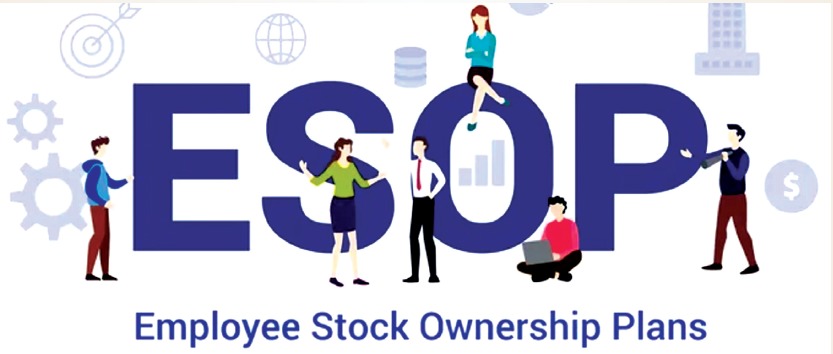
Business Remedies | Charu Bhatia | July 08, 2025 | Once seen as a Silicon Valley phenomenon, Employee Stock Ownership Plans (ESOPs) are rapidly becoming a cornerstone of compensation strategies in India’s booming startup ecosystem. From unicorns in fintech and SaaS to fledgling tech ventures still testing their product-market fit, startups across the country are leaning into ESOPs as a powerful tool for attracting, retaining, and rewarding talent, and the numbers tell a compelling story. According to a recent report by industry analytics firm Tracxn, Indian startups collectively issued over $12 billion worth of ESOPs in FY 2024-25, nearly doubling the previous year’s figure. Companies like Zerodha, Razorpay, and Meesho have made headlines for creating significant wealth for their employees through generous ESOP buybacks and liquidity events, shifting the conversation around startup employment from pure risk-taking to real financial opportunity.
Why the ESOP Boom?
At the heart of this trend lies India’s intensifying war for talent, particularly in sectors like fintech, deeptech, AI, and SaaS. High-performing professionals are no longer lured solely by cash salaries; they want a stake in the upside. “The best talent today evaluates not just the current salary, but also the potential wealth they can create if the company scales,” says Rajesh Rathi, partner at a leading venture capital firm.
Beyond talent retention, ESOPs also help startups manage cash flow. Instead of burning through limited capital to pay top-of-market salaries, companies offer stock options that defer costs while aligning employees’ interests with long-term growth.
Creating Wealth- and Challenges
The rise of ESOPs is visibly changing wealth distribution in India’s startup corridors. In April this year, logistics unicorn Delhivery completed a buyback worth over Rs. 800 crore, enriching employees across multiple levels. Even mid-stage startups are launching smaller buyback programs, signaling that ESOPs are no longer limited to the elite senior leadership.
However, the ESOP wave comes with challenges. Many employees remain unaware of how ESOPs work, the difference between grants and vested shares, tax implications, and how liquidity events happen. “A lot of employees get dazzled by the headline numbers but don’t fully understand the risks or the timelines,” notes Priya Iyer, founder of FinSmart, a startup offering financial literacy sessions to Indian professionals.
Taxation also remains a significant hurdle. In India, employees often face tax liabilities at the time of exercising options, even if they haven’t sold the shares yet. This “phantom income” taxation makes many employees hesitant to exercise their options, leading to calls for policy reforms to make ESOPs more attractive and equitable.
ESOPs Going Beyond Startups
Interestingly, the ESOP trend is now seeping into India’s broader corporate landscape. Even mid-sized IT firms, retail companies, and D2C brands are experimenting with ESOP pools to boost loyalty and drive performance. Experts believe that as India’s economy becomes more innovation-driven, ownership-based compensation will increasingly define how talent is rewarded.
“The narrative has shifted,” says Rathi. “Earlier, ESOPs were seen as risky paper promises. Today, they’re a legitimate path to wealth creation. As more Indian startups mature and list publicly or achieve successful exits, we’ll see even greater democratization of wealth.” As India’s startup ecosystem continues to expand and mature, the rise of ESOPs represents more than just a financial tool, it’s a cultural shift, empowering employees to dream big and truly own a piece of the success they help build.
 Written & Edited By:
Charu Bhatia