


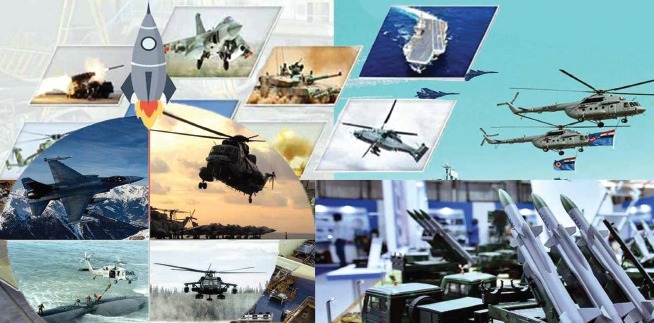
Business Remedies | Charu Bhatia | The 1999 Kargil War not only reshaped India’s military strategy but also triggered a seismic shift in the country’s defence sector. In the 25 years since, India has moved steadily towards self-reliance in defence production, opening up significant economic opportunities for domestic players and foreign investors alike.
The post-Kargil period marked a wake-up call for India’s defence preparedness. Inadequate equipment, dependence on imports, and sluggish procurement processes were glaring issues that came to light. In response, the government introduced sweeping reforms, boosting indigenous manufacturing capabilities through initiatives like Make in India, the Defence Acquisition Procedure (DAP), and the establishment of defence corridors. According to the Ministry of Defence, India’s defence production value reached over Rs. 1.2 lakh crore in FY24, a record high and more than double what it was a decade ago. The private sector’s role has also grown sharply, now contributing over 20% to defence manufacturing, a stark contrast to the pre-Kargil era dominated solely by public sector undertakings.
Strategic Shifts, Economic Gains
The opening up of defence FDI up to 74% under the automatic route has attracted global defence giants to set up joint ventures and manufacturing bases in India. Companies like Boeing, Lockheed Martin, and Dassault have deepened their local supply chains, creating a ripple effect in MSMEs and ancillary industries. Defence corridors in Uttar Pradesh and Tamil Nadu are emerging as manufacturing hubs, drawing investments in drones, aerospace systems, and next-gen weaponry. “Post-Kargil, the Indian defence sector is no longer just about national security – it’s a high-potential industry with large-scale employment and export opportunities,” says Col. Rakesh Sinha (Retd), a defence analyst.
India is also making strides in defence exports, which stood at over Rs. 21,000 crore in FY24, up from just Rs. 1,500 crore in FY17. Countries in Southeast Asia, Africa, and Latin America are increasingly sourcing Indian-made helicopters, radar systems, and artillery.
Challenges and the Road Ahead
Despite this progress, challenges persist, including bureaucratic delays, limited R&D investment, and the need for better coordination between public and private players. Experts argue that sustained growth will depend on policy stability, faster procurement cycles, and continued incentivisation of innovation.
Nevertheless, the post-Kargil momentum has firmly established defence as a key pillar of India’s industrial and strategic future. As the nation balances security imperatives with economic aspirations, the defence sector stands as a testament to how geopolitical events can reshape industry trajectories.