
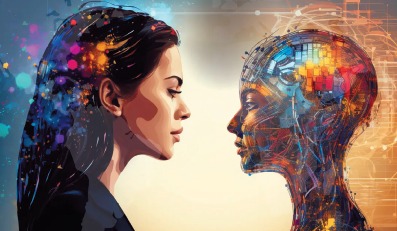
Business Remedies | Charu Bhatia | Artificial Intelligence (AI) is no longer just crunching numbers or automating mundane tasks, it is painting portraits, writing scripts, composing music, and even crafting ad campaigns. In a world where generative AI tools can whip up logos, product packaging, or a 30-second video ad within minutes, the question is inevitable: can algorithms truly replace human creativity in industries that thrive on originality like advertising, design, and content creation?
The Rise of AI-Powered Creativity
In the past two years, tools like ChatGPT, MidJourney, Runway, and DALL·E have become mainstream in creative workflows. Ad agencies use AI to generate campaign concepts; design studios are leveraging it for mood boards and prototypes; and content creators are experimenting with AI-written scripts or voiceovers. The attraction is obvious, AI is fast, scalable, and significantly reduces costs. A campaign that might take weeks of brainstorming can now be mocked up in hours.
But Creativity Isn’t Just Output
Despite its speed, AI often struggles with what makes creativity truly impactful: cultural context, emotional resonance, and brand storytelling. Algorithms remix what already exists, they predict patterns from data. Human creativity, by contrast, thrives on intuition, lived experiences, and even serendipity.
Take advertising: some of the most iconic campaigns, the “Think Different” slogan by Apple or Amul’s topical hoardings, were born not out of pattern recognition, but human insight into social moods and consumer psychology. As one creative director puts it, “AI can give me a hundred options, but it can’t tell me which one will make people laugh, cry, or click ‘buy’.”
Hybrid Models Are Emerging
Instead of a binary “AI vs human,” the more realistic future is AI + human. Agencies are using AI for rapid ideation and routine work while human teams refine, contextualize, and inject emotional nuance. This hybrid approach reduces production costs but still preserves creative integrity.
The Risks of Over-Reliance
There are, however, significant risks. Overuse of AI can lead to homogenization, where campaigns, logos, or social posts start looking eerily similar because they’re drawing from the same data pools. Intellectual property rights are another minefield: if an AI-generated visual is trained on copyrighted works, who owns the output?
Content creators also face ethical dilemmas. AI can replicate voices, mimic art styles, or churn out articles in bulk, but without transparency, it risks eroding trust with audiences who value authenticity.
The Economic Impact on Creative Jobs
The business side of creativity is already feeling the shift. Routine jobs, junior designers tasked with resizing graphics, writers producing SEO-heavy articles, or animators creating simple storyboards, are most vulnerable. Yet, the demand for strategic, high-value creative roles is increasing. Brands are still willing to pay a premium for originality, cultural fluency, and storytelling that resonates.
So, Can Algorithms Replace Creatives?
The short answer is: not entirely. AI is an accelerator, not a replacement. It can generate endless possibilities, but deciding what feels fresh, authentic, and brand-defining still requires human instinct. As one design strategist noted, “AI can give you the brushstrokes, but only humans can paint the picture that truly moves someone.”
For businesses, the challenge isn’t whether to choose AI or human creativity, it’s how to integrate both in ways that maximize efficiency without losing originality. The future of creativity may not be about algorithms replacing humans, but about humans who know how to wield algorithms most effectively.
 Written & Edited By:
Charu Bhatia