


BR Team | Jaipur
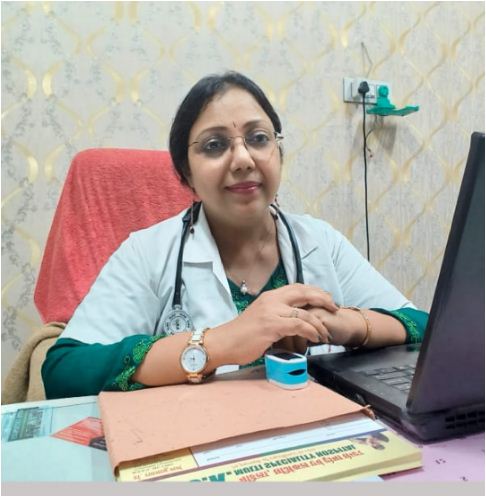
Women’s healthcare has witnessed significant advancements over the years, with growing awareness around preventive care, fertility treatments, high-risk pregnancies, and hormonal health. Dr. Geetanjali Garg, Founder of Geetanjali Hospitals and a renowned obstetrician and gynecologist, has played an instrumental role in delivering comprehensive and compassionate care to women across every stage of life. With specialized training in reproductive medicine and high-risk pregnancy management, she has built a trusted institution, Geetanjali Hospitals, dedicated to patient-centric healthcare. In this conversation, Dr. Garg reflects on her professional journey, discusses the evolving landscape of women’s health, addresses common myths, and shares her vision for making quality healthcare more accessible.
You are the founder of Geetanjali Hospitals and a renowned gynecologist. Please tell us about your journey so far and the inspiration behind joining this field.
 My journey in medicine has been driven by both passion and inspiration. Academically, I was fortunate to be a topper during my MBBS, which I pursued at Osmania University, Hyderabad, one of India’s most respected institutions for medical education. My greatest inspiration has always been my mother, who herself was a gynecologist. Watching her dedicate her life to women’s healthcare motivated me to choose the same profession. Being a gynecologist is not merely about treating illnesses; it is about supporting women through some of the most significant phases of their lives. Whether it is adolescence, pregnancy, childbirth, infertility, or menopause, every stage requires empathy, patience, and scientific expertise. Patient satisfaction has always been my biggest priority, and that philosophy continues to guide my practice. To further strengthen my expertise, I underwent specialized training in Reproductive Medicine and also completed a dedicated course in High-Risk Pregnancy Management. These additional qualifications helped me manage complex pregnancies and infertility cases more effectively.
After my marriage, I moved to Jaipur and initially worked at Manipal Hospital, where I gained valuable clinical experience. However, I always dreamed of establishing a healthcare institution where women could receive personalized, compassionate, and ethical care under one roof. I began by renting a small facility and gradually built my own practice. Eventually, that vision evolved into Geetanjali Hospitals.
One thing that has remained constant throughout our journey is our belief in honest medical practice. We have never relied heavily on advertising. Instead, our hospital has grown primarily through word-of-mouth recommendations from satisfied patients. Their trust and blessings have been our greatest achievements.
Geetanjali Hospitals provides a wide range of treatments. Could you tell us about the major services offered at your hospital?
Our objective has always been to provide comprehensive women’s healthcare under one roof. We offer complete Obstetrics and Gynecology services, including normal deliveries, Caesarean sections, management of high-risk pregnancies, infertility treatment, IUI, IVF, and treatment for hormonal disorders.
We also manage conditions such as PCOS, menstrual irregularities, urinary and reproductive tract infections, ovarian disorders, and several gynecological cancers. Alongside medical treatment, we provide aesthetic gynecology services, acne management, skin glow procedures, and laser hair reduction, as these concerns often affect women’s confidence and quality of life.
Another area we strongly emphasize is counselling. Adolescence is a sensitive period, and both girls and boys undergo hormonal and emotional changes. Proper counselling helps them understand these transitions in a healthy manner.
Additionally, I am a Certified Menopause Practitioner, enabling us to provide specialized care for women navigating menopausal symptoms, hormonal changes, bone health, and emotional wellbeing.
 According to you, how is the women’s healthcare landscape changing in India?
Women’s healthcare has changed tremendously over the years. Earlier, many issues were ignored due to lack of awareness or social hesitation. Today, women are becoming more proactive about their health, which is a positive development. Generally, a woman’s life is divided into four important stages—Menarche, Adolescence, Reproductive Years, and Menopause. Each phase comes with unique healthcare requirements.
During adolescence, proper counselling is extremely important. Young girls should understand menstrual hygiene, hormonal changes, nutrition, and emotional wellbeing. Today, there are multiple menstrual hygiene products such as sanitary pads, menstrual cups, and tampons. While these options offer convenience, women should receive proper guidance from healthcare professionals regarding their usage.
Similarly, many women consume oral contraceptive pills without medical consultation. Every woman’s medical history, hormonal profile, and health condition are different. Choosing the right contraceptive requires careful evaluation because an inappropriate choice may disturb hormonal balance or cause unwanted side effects.
Lifestyle-related disorders such as PCOS have also become increasingly common. Initial symptoms often include acne, unwanted facial hair, weight gain, and irregular menstrual cycles. If ignored, these conditions can later contribute to infertility or metabolic disorders.
The key message is that women should become more aware of their own bodies. Timely medical consultation can prevent several complications and significantly improve long-term health.
What are some warning signs that women should never ignore?
Women should seek immediate medical attention if they experience abnormal bleeding, unexpected spotting between periods, severe abdominal pain, difficulty while passing urine, or persistent pelvic discomfort.
Similarly, if these symptoms become severe enough to interfere with daily activities such as walking, sleeping, or working, consultation with a gynecologist should not be delayed. Early diagnosis often makes treatment simpler and more effective.
Why are women’s health concerns becoming increasingly common today?
Lifestyle is undoubtedly one of the biggest contributing factors. Sedentary habits, unhealthy dietary patterns, stress, inadequate sleep, and lack of physical activity are affecting women’s health significantly.
Conditions such as uterine fibroids are now being diagnosed even in women in their twenties. Delayed marriages and late family planning have also contributed to rising infertility rates.
Another major issue is PCOS, which is primarily a metabolic disorder linked to lifestyle changes. Additionally, infections such as pelvic inflammatory disease (PID) and, in certain cases, genital tuberculosis continue to affect fertility among women.
The solution lies in preventive healthcare, regular check-ups, healthy eating habits, exercise, and timely medical intervention.
There are several myths associated with pregnancy. Which ones would you like to address?
Unfortunately, many myths continue to circulate despite scientific progress. One common misconception is that pregnant women should continue working excessively and avoid taking adequate rest. In reality, balanced activity along with sufficient rest is essential for a healthy pregnancy.
There are also irrational beliefs that tying a woman’s hair during labour influences the baby’s gender or that consuming milk and curd changes the baby’s complexion. These beliefs have absolutely no scientific basis.
Pregnancy should be guided by evidence-based medical advice rather than myths or superstitions.
How has technology transformed gynecology?
Technology has revolutionized diagnosis and treatment in gynecology. Advanced ultrasound imaging enables us to detect fetal development and gynecological conditions much earlier. Doppler studies help monitor blood circulation and assess fetal wellbeing during pregnancy.
Modern laboratory investigations provide quicker and more accurate diagnoses, allowing timely treatment. Technological advancements have improved patient safety, diagnostic precision, and overall treatment outcomes.
Even though robotic surgery is currently more common in other specialties, its expanding role across medicine reflects how innovation continues to improve healthcare delivery.
What are the common causes of infertility, and what fertility preservation options are available today?
Infertility can originate from either the male or female partner, making evaluation of both equally important.
Among women, infertility may result from PCOS, pelvic inflammatory disease, urinary tract infections, ovarian insufficiency, or age-related decline in egg quality.
Fortunately, fertility preservation techniques have advanced significantly. Egg freezing allows women to preserve healthier eggs at a younger age for future family planning. As women age, both the quantity and quality of eggs naturally decline.
Some women also experience premature menopause, and in such situations, donor eggs can provide an effective treatment option. Advances in reproductive medicine have created hope for many couples who previously had limited options.
What determines the success of IVF treatment?
IVF success depends on multiple factors rather than a single parameter. The quality of eggs and sperm plays a crucial role. The patient’s overall medical condition, age, hormonal profile, and previous reproductive history also influence outcomes.
Timely investigations, proper planning, and individualized treatment protocols significantly improve the chances of success. Every couple requires a personalized approach instead of a standard treatment plan.
Cases of ovarian cancer appear to be increasing. What preventive measures do you recommend, and when should women begin annual screenings?
Prevention and early detection remain our strongest tools against gynecological cancers. One of the most effective preventive measures is HPV vaccination. The vaccine is administered in two doses for girls aged 9 to 15 years, while women aged 15 to 45 years generally require a three-dose schedule.
Regular gynecological check-ups should ideally begin around 25 to 30 years of age, depending on individual risk factors and medical history. Early screening enables us to detect abnormalities before they progress into serious disease, improving treatment outcomes significantly.
What is your long-term vision for Geetanjali Hospitals?
My vision is to make quality women’s healthcare accessible to every section of society. We aim to provide compassionate, ethical, and evidence-based treatment for every gynecological concern, from adolescence to menopause.
We also aspire to become a trusted centre for infertility management and advanced reproductive care while ensuring that economically weaker patients are not deprived of quality treatment. Healthcare should be driven by compassion, not merely affordability.
Finally, what message would you like to give to women?
My message is simple—never self-medicate. Whether it is menstrual problems, hormonal issues, or pregnancy-related concerns, always consult a qualified gynecologist before taking medicines.
Stay physically active, practise yoga or other forms of exercise, maintain a balanced diet, drink adequate water, and never ignore unusual symptoms. Your health deserves priority because when a woman remains healthy, she contributes to the wellbeing of her entire family and society.