
Charu Bhatia | Business Remedies | Changing lifestyles and evolving consumer preferences are rapidly transforming the global food industry. Among the most noticeable shifts is the growing popularity of ready-to-cook (RTC) and ready-to-eat (RTE) food products, which are reshaping how people approach daily meals. Driven by urbanisation, busy work schedules, and rising disposable incomes, the demand for convenient food options has surged across markets, including India.
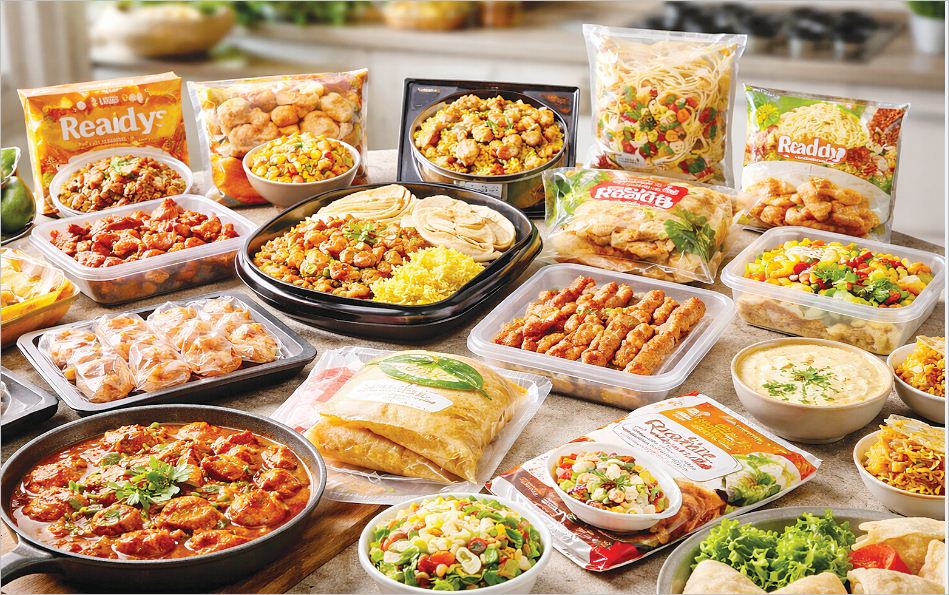
Ready-to-cook products typically require minimal preparation before consumption, such as frozen parathas, pre-marinated meats, or packaged dosa batter. Ready-to-eat foods, on the other hand, are fully prepared meals that only need reheating or can be consumed straight from the package. From instant noodles and packaged curries to frozen snacks and microwaveable meals, the variety available to consumers has expanded significantly over the past decade.
One of the key drivers behind this growth is the fast-paced lifestyle of urban consumers. As dual-income households become more common and working professionals spend longer hours outside the home, the demand for quick meal solutions continues to increase. These products allow consumers to enjoy home-style meals without spending extensive time on preparation and cooking.
The COVID-19 pandemic also played an important role in accelerating the adoption of packaged food products. During lockdown periods, consumers increasingly relied on packaged, shelf-stable food items that were easy to store and prepare. This shift in consumption patterns introduced many households to ready-to-cook and ready-to-eat meals, creating long-term demand even after restrictions eased.
Technological advancements in food processing, freezing, and packaging have further strengthened the sector. Improved preservation techniques help maintain taste, texture, and nutritional value while extending shelf life. Vacuum packaging, retort technology, and frozen food innovations have made it possible for companies to offer high-quality meals that remain fresh for longer periods.
Another factor contributing to the expansion of this market is the growing presence of organised retail and e-commerce platforms. Supermarkets and online grocery services now offer a wide range of packaged food products, making them easily accessible to consumers across cities and towns. Food startups and established brands alike are tapping into this demand by introducing innovative products, including healthier meal options with reduced preservatives and balanced nutritional profiles.
In India, companies such as ITC, MTR, Haldiram’s, and several emerging food startups have significantly expanded their portfolios in the convenience food segment. International brands are also entering the market, recognising the immense potential of India’s expanding middle class.
As consumer priorities continue to shift towards convenience, quality, and variety, the ready-to-cook and ready-to-eat food market is expected to grow steadily in the coming years. What began as a niche category is now evolving into a major segment of the global food industry, reflecting broader changes in how modern consumers approach food and daily living.