
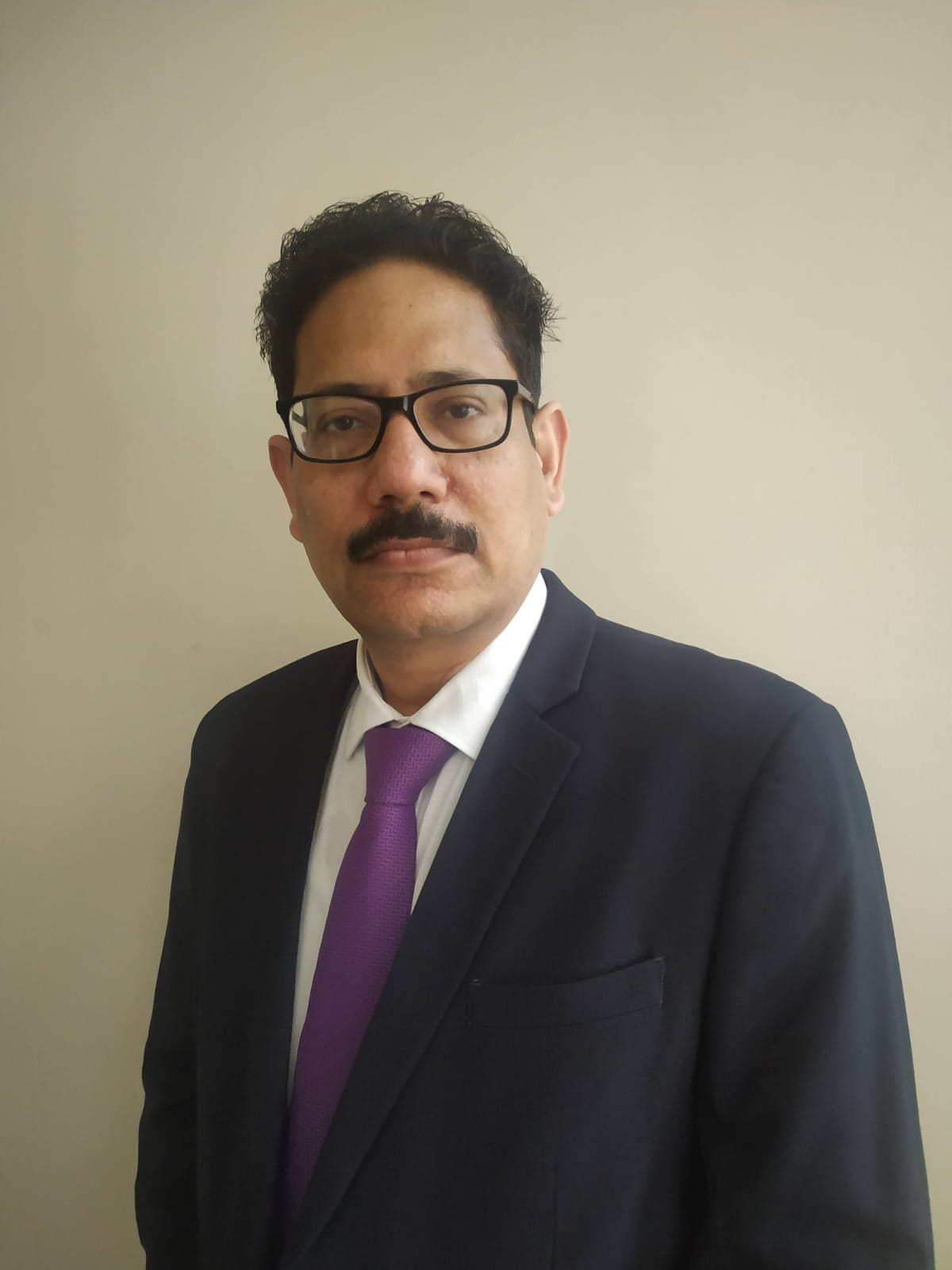
Charu Bhatia, Senior News Editor, Business Remedies, in conversation with Dr. RK Mathur, Jaipur’s Renowned Orthopedic Surgeon and Founder of Shreyaditya Hospital, Jaipur
In the evolving landscape of orthopedic excellence in Rajasthan, Dr. RK Mathur stands as a distinguished name synonymous with precision, perseverance, and patient-centric care. As the founder of Shreyaditya Hospital in Jaipur, he has translated decades of clinical expertise and global exposure into an institution committed to delivering advanced yet affordable orthopedic treatment. With specialized proficiency in Joint Replacement, Arthroscopy, and Sports Injuries, Dr. Mathur’s journey reflects not only professional accomplishment but also a steadfast resolve to make quality healthcare accessible to all.
Question: You have established Shreyaditya Hospital in Jaipur. Please tell us about your journey so far. What inspired you to become a doctor?
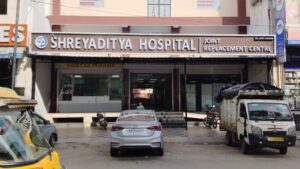 Answer: My journey in medicine has been one of perseverance, evolution, and an unwavering commitment to patient care. I completed my MBBS from Kanpur, followed by an internship during which I gradually became inclined towards this dynamic and demanding specialty. I pursued my postgraduate studies at GSVM Medical College, Kanpur. Determined to refine my expertise further, I undertook fellowships in Ahmedabad and Hyderabad, focusing on Joint Replacement, Arthroscopy, and Sports Injuries.
Over the years, I have had the privilege of serving in numerous medical colleges and private hospitals across Uttar Pradesh, Rajasthan, and other states. Each institution enriched my understanding of diverse patient demographics, infrastructural challenges, and evolving surgical techniques. My training also extended internationally, with an opportunity to gain exposure at the Royal Blackburn Hospital in England.
As for inspiration, my elder brother, who is a doctor, played a defining role in shaping my aspirations. Observing his dedication to patients and the respect accorded to the profession left a profound impact on me. Securing admission into GSVM Medical College after clearing the PMT examination was a turning point that cemented my resolve to serve society through medicine.
Question: With such vast exposure, you must have encountered challenging moments. Could you share some of those experiences? Also, how did Shreyaditya Hospital come into being?
Answer: When I entered residency training in 1997, Orthopedics, particularly Joint Replacement, was not widely recognized in India. It was considered a niche field with limited accessibility. By 2005, Joint Replacement surgeries had begun in Rajasthan, but they were expensive and performed without the sophisticated technology that is available today. The procedures were often financially prohibitive for many patients.
Witnessing this gap between need and accessibility stirred a vision within me. I realized that high-quality orthopedic care should not remain confined to corporate hospitals. After years of working in various private healthcare setups and understanding their operational frameworks, I felt prepared to establish an institution that balanced affordability with excellence.
Shreyaditya Hospital was born out of this conviction, to provide advanced orthopedic care at reasonable costs without compromising standards. Our hospital is a fully accredited NABH hospital, reinforcing our commitment to provide world class care to our patients.
Question: It is often difficult to maintain affordability while running a hospital. How do you strike that balance?
Answer: Sustainability in healthcare demands equilibrium. We strive to position ourselves between the high tariffs of corporate hospitals and the limited infrastructure of many government facilities. At Shreyaditya Hospital, our services are approximately 30 percent more economical than those offered by corporate institutions, yet we ensure that our facilities, standards and patient care protocols remain comparable.
Question: What range of services does Shreyaditya Hospital offer, and how extensive is your medical team?
Answer: Shreyaditya Orthopedic Hospital specializes primarily in Joint Replacement surgeries, Arthroscopy, and Sports Injury management. Our joint replacement services are led by highly experienced surgeons supported by assistant surgeons and a dedicated team of physiotherapists.
We currently have three orthopedic specialists, one general physician, and one general surgeon. In the three years since our establishment, we have steadily built a reputation for precision-driven surgeries and quality healthcare services.
Question: In the initial phase, creating awareness about a new hospital can be challenging. What strategies did you adopt?
Answer: I firmly believe that credibility stems from consistent work and visible presence. From the beginning, we ensured an active engagement with the community through social media platforms and print media outreach. Establishing a robust digital footprint, including a dedicated website, enabled patients to access reliable information about our services. In today’s era, visibility and transparency are essential. Our digital initiatives help us connect with patients, share educational content, and foster trust.
Question: How do you perceive the role of AI and robotics in medicine, particularly in Orthopedics?
Answer: Throughout my career, I have witnessed multiple waves of technological advancement. Historically, any transformative medical technology requires nearly two to three decades to achieve widespread acceptance, accounting for its evolution, validation, and institutionalization.
In India, AI and robotics are in their nascent stages. It may take five to ten years before they become mainstream. Their adoption depends on several factors: affordability, accessibility, adequate training, and public confidence. Currently, robotic surgeries can increase costs by nearly one lakh rupees per procedure, which limits their reach.
Moreover, only about 10–15 percent of practitioners are adequately trained in AI-assisted techniques. As training infrastructure improves and technology becomes more economical, we can expect broader integration. Eventually, economies of scale will reduce costs, making these advancements more accessible to the general public.
Question: There are many myths surrounding orthopedic and spine surgeries. Could you clarify some?
Answer: One of the most prevalent myths is that spine surgery inevitably leads to complications or failure. In reality, with advanced imaging modalities like MRI and CT scans, accurate diagnosis significantly enhances surgical outcomes. Timely intervention, guided by precise data, ensures high success rates.
Earlier, Jaipur had only a handful of MRI centers; today, there are nearly fifty. Diagnostic awareness has grown remarkably. Similarly, Knee Replacement techniques have undergone substantial evolution, from the early models of the 1970s to over highly refined designs today which give better movement.
Age is not always the decisive factor in recommending surgery. The severity and stage of degeneration determine the necessity. If the condition has progressed to an advanced stage, surgery often becomes indispensable for restoring mobility and quality of life.
Question: What is your assessment of government healthcare schemes like Ayushman Bharat and RGHS?
Answer: From a patient’s perspective, these schemes are transformative. They democratize healthcare access by making expensive procedures affordable. The government’s intent is commendable.
However, operational bottlenecks remain. Timely reimbursement to hospitals is crucial. Delays can strain institutional resources and impact service delivery. Streamlining administrative processes would create a mutually beneficial ecosystem where hospitals can function efficiently while patients receive prompt treatment.
Question: Lifestyle-related disorders are on the rise. How do they affect orthopedic health? What changes would you recommend?
Answer: I often say, “Life is movement, and movement is life.” Modern sedentary lifestyles are a primary contributor to deteriorating musculoskeletal health. Lack of physical activity, prolonged screen exposure, poor posture, stress, nutritional imbalances, and high BMI collectively strain the body.
The body functions as an interconnected system. Orthopedic conditions like lack of mobility (due to joint pain/arthritis) and regular exercises cause cardiovascular and respiratory deconditioning. Similarly, conditions such as hypertension, diabetes, and obesity further exacerbate joint degeneration.
A balanced regimen of exercise is indispensable. At least one hour of daily activity is advisable. Individuals under 40 may engage in running or high-impact sports, whereas those above 40 should prefer low-impact exercises like swimming, brisk walking, or recreational sports. Exercise should complement dietary adjustments rather than replace them.
Question: Specialization within Orthopedics is increasing. How do you view this trend?
Answer: Specialization enhances precision. In countries like the UK and US, patients typically consult general practitioners before being referred to specialists. India is gradually progressing towards this structured referral model.
Orthopedics now encompasses subspecialties such as Spine Surgery, Sports Injuries, Knee Replacement, and Foot and Ankle Surgery. Deeper specialization translates to refined expertise and better patient outcomes. However, India still requires infrastructural expansion and advanced training modules to strengthen each subspecialty comprehensively.
Question: How would you evaluate Rajasthan’s healthcare landscape today?
Answer: Rajasthan has witnessed significant advancement over the past decade. Previously, patients often sought advanced care outside the state. Today, improved air transport connectivity, technological exchange with states like Gujarat and Maharashtra, and enhanced medical infrastructure have elevated standards.
The exchange of knowledge is now reciprocal. Rajasthan is not merely adopting but also contributing to advancements in healthcare technology.
Question: What message would you like to convey to young medical aspirants?
Answer: Medicine is an immensely rewarding profession, not merely financially but spiritually and socially. However, one must enter this field driven by compassion and commitment rather than monetary ambition. When patient welfare becomes the central motivation, professional fulfillment naturally follows.