
Seoul,
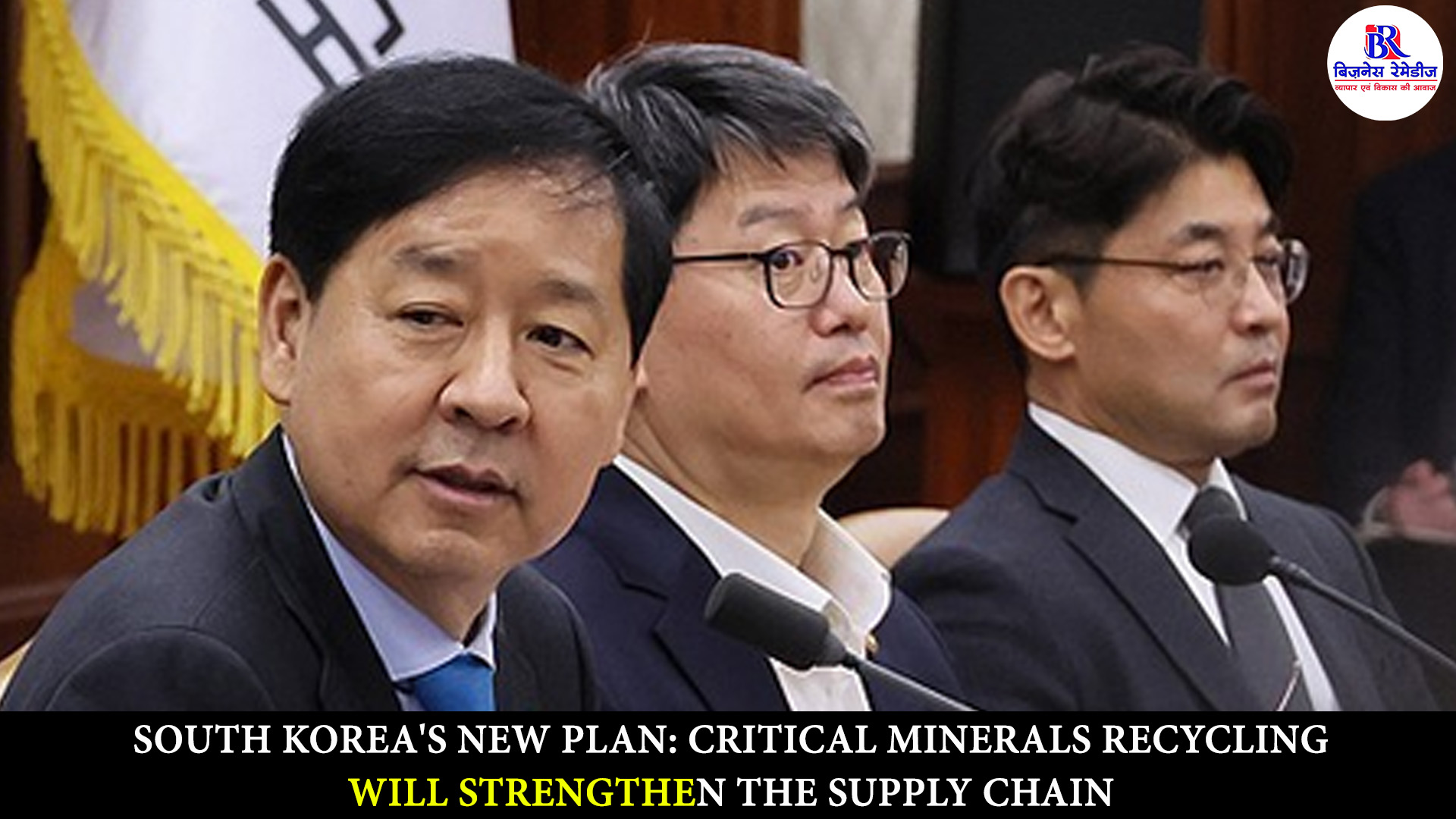
South Korean government ने Friday को एक नया plan unveil किया है ताकि critical minerals की recycling को promote किया जा सके। इसके तहत सरकार regulations को आसान करेगी और financial व tax incentives को expand करेगी — ये सब supply chain stability के broader goal का हिस्सा है, ऐसा Industry Ministry ने बताया।
💼 Finance Minister Koo Yun-cheol की अध्यक्षता में हुई Meeting
ये measures Finance Minister Koo Yun-cheol की अध्यक्षता में हुई एक supply chain meeting में announce किए गए।
उन्होंने कहा कि “APEC Summit in Gyeongju” ongoing global economic uncertainty के बीच एक meaningful turning point रहा है। सरकार को उम्मीद है कि इस summit के outcomes से South Korea की supply chain stability को मज़बूती मिलेगी।
🔁 What is Critical Mineral Recycling?
Critical mineral recycling का मतलब है — waste materials को दोबारा process करके valuable minerals तैयार करना, जो advanced industries जैसे semiconductors, batteries और electric vehicles के लिए बेहद जरूरी हैं।
📈 Market Growth Potential
Official estimates के अनुसार, South Korea का critical mineral recycling market
👉 2024 में 6.7 trillion won ($4.7 billion) से बढ़कर
👉 2040 तक 21.1 trillion won तक पहुंच सकता है।
हालांकि, high technology और capital barriers की वजह से private sector की growth अब तक slow रही है। कई कंपनियों के पास new investments के लिए resources की कमी है।
🎯 Government का 2030 Target
Government का लक्ष्य है कि 10 strategic critical minerals की recycling rate को 2030 तक 20% तक बढ़ाया जाए।
इसके लिए सरकार regulatory reforms और industry support programs लाएगी।
💰 Tariff Reduction & Financial Incentives
सबसे पहले, सरकार tariffs reduce करने की योजना बना रही है, ताकि Japan, U.S., और European Union जैसे देशों के बराबर competitiveness लाई जा सके — जहां critical recycling materials पर zero tariffs हैं।
🤝 Public-Private Partnership for Recycling Projects
एक Joint Council बनाई जाएगी जिसमें public और private sectors के representatives शामिल होंगे।
ये council promising recycling projects को identify करेगी और Supply Chain Stabilisation Fund के ज़रिए direct investment support देगी।
🚛 Regulation Reforms on Material Distribution
सरकार कुछ materials को “recyclable resources” की श्रेणी में classify करेगी, जिससे उन्हें waste नहीं माना जाएगा।
इससे transport और storage से जुड़ी restrictions कम होंगी — और recycling operations आसान बनेंगे।
⚙️ Rare Earth Supply Support Team
एक response team बनाई जाएगी जो rare earth elements की supply सुनिश्चित करेगी।
इसके तहत तीन बड़े initiatives होंगे:
-
🌍 Overseas resource development में investment
-
🧪 Rare earth alternatives की technology development
-
🏦 Public reserves का expansion
🇨🇳🇺🇸 China Restrictions & U.S.-China Agreement
यह plan ऐसे समय में आया है जब China ने critical minerals के exports पर restrictions लगाए हैं, जिससे semiconductors और EV industries को लेकर चिंता बढ़ी है।
लेकिन एक positive development ये रही कि U.S. President Donald Trump और Chinese President Xi Jinping ने South Korea में हुई summit के दौरान Chinese rare earth exports पर लगे restrictions हटाने पर सहमति जताई है।
📰 Summary:
South Korea अब critical mineral recycling को national priority बना रहा है — ताकि global uncertainties के बीच भी supply chain strong और self-reliant रहे।