
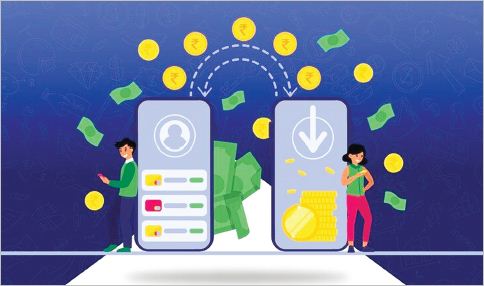
Charu Bhatia |Business Remedies | The fintech revolution is reshaping how businesses and individuals access credit, with mobile-only banks and instant loan platforms leading the charge. Traditional banks, long seen as gatekeepers of lending, are now facing competition from digital-first players that promise speed, convenience, and accessibility.
Mobile-only banks, or “neobanks,” operate entirely online, with no physical branches. They leverage sophisticated algorithms, AI-driven credit scoring, and real-time data to offer tailored financial products. For businesses, this means access to instant working capital, flexible repayment options, and simplified account management, all from a smartphone app. Unlike conventional banking, mobile-only platforms remove bureaucratic barriers and lengthy paperwork, enabling micro, small, and medium enterprises (MSMEs) to secure funding quickly.
Instant loan apps have also gained traction, offering disbursals in minutes. Powered by machine learning models that assess risk using alternative data sources such as transaction history, social media activity, and digital footprints, these platforms can approve loans for borrowers who might otherwise be excluded from traditional finance. This democratization of credit is particularly transformative for startups and gig-economy professionals, who often struggle to provide conventional collateral or credit history.
Experts suggest that the future of fintech lending lies in personalization and integration. Mobile banks are increasingly using AI not just for credit assessment but also for financial advisory, helping borrowers optimize cash flow and manage repayments efficiently. Some platforms are partnering with e-commerce marketplaces, payment gateways, and accounting software to provide seamless, end-to-end financial solutions for businesses.
However, rapid growth in fintech lending comes with challenges. Regulatory oversight, cybersecurity risks, and data privacy remain pressing concerns. Users need transparency regarding interest rates, processing fees, and repayment terms to avoid over-indebtedness. Regulators are now working to create a framework that balances innovation with consumer protection, ensuring that fintech lenders operate responsibly.
As digital finance continues to evolve, the line between traditional banking and technology-driven lending will blur. Mobile-only banks and instant loan platforms are not merely a trend, they are likely to become a standard component of the financial ecosystem. For businesses, embracing these tools can unlock faster capital access, smarter financial management, and competitive advantages in a rapidly digitizing economy.